A Short History of the Naked Bike
From the Honda CB750 and Kawasaki Z1 to the Ducati Monster, streetfighters and today's neo-retros: how motorcycles lost their fairings and found their soul.
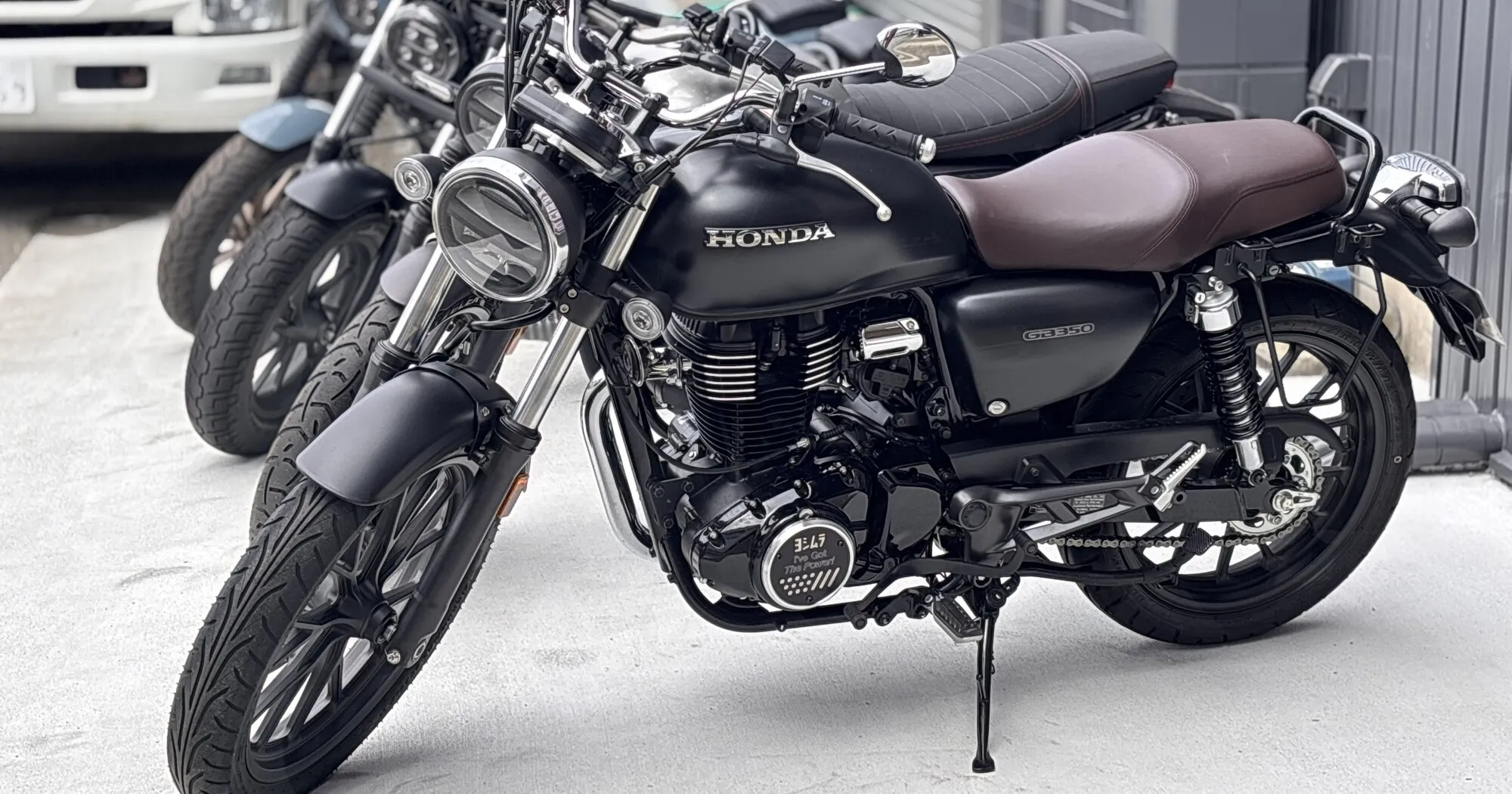
A naked bike is a motorcycle without a fairing: engine on show, upright bars, usually a round headlight. Germans call it a Naked Bike or Roadster, Americans a standard. It sounds like the most basic idea in motorcycling, and it is. That’s exactly why it keeps coming back.
Before fairings, everything was naked
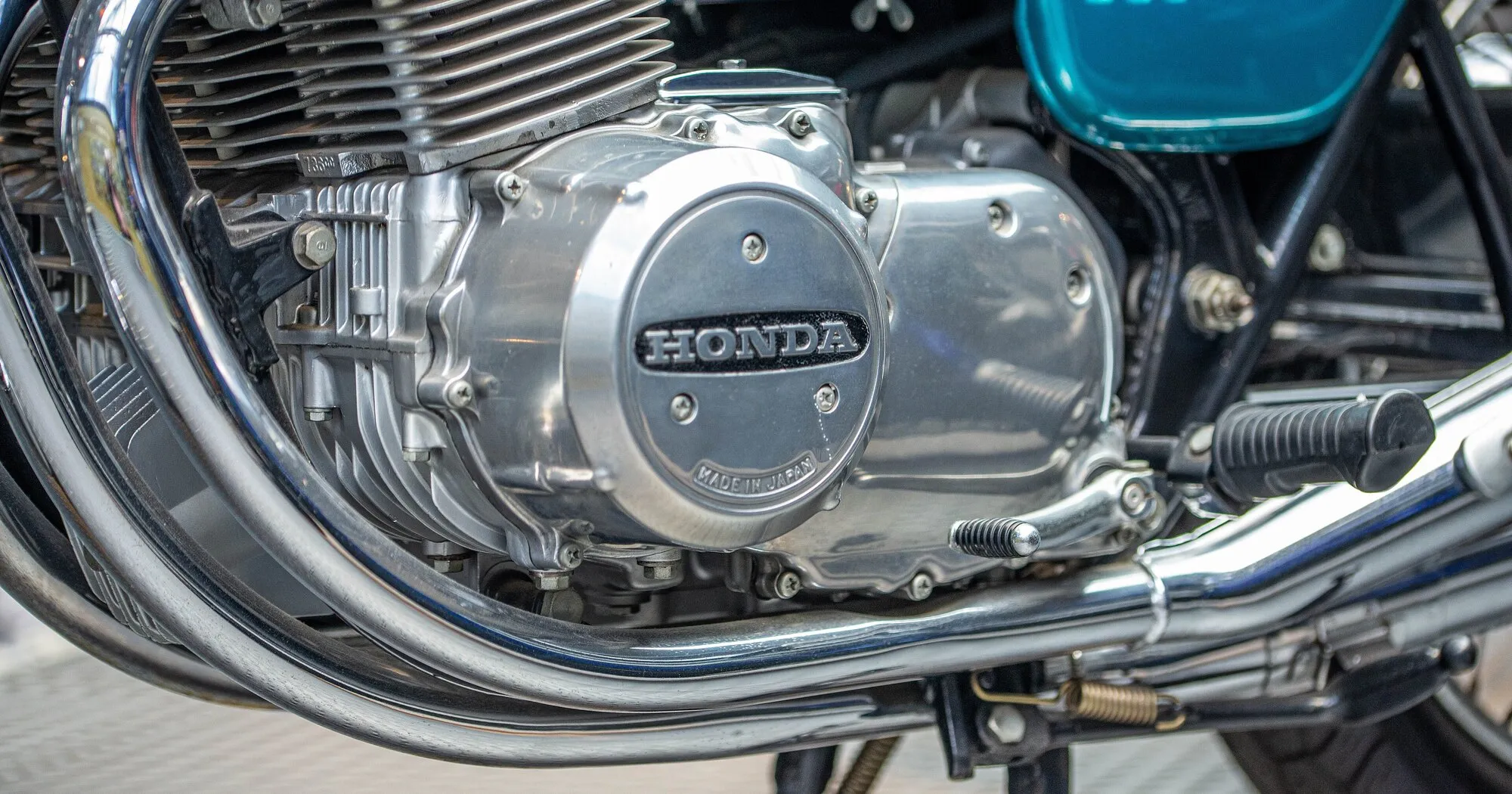
For most of the 20th century there was no such thing as a “naked bike”, because there was nothing else. Then in 1969 Honda launched the CB750: a transverse inline-four with an overhead cam, about 67 hp and a front disc brake, at a price ordinary riders could afford. The press called it the first superbike.
Kawasaki answered in 1972 with the Z1, a 903 cc double-overhead-cam four with around 82 hp. Together they defined the UJM, the “Universal Japanese Motorcycle”: four cylinders in a row, twin shocks, a flat seat, round lights. If you picture a classic motorcycle, you’re probably picturing one of these.
The fairing years
Through the late 1970s and 1980s, wind protection and racing looks took over. BMW’s R100RS of 1976 is usually credited as the first production bike with a full factory fairing. Racing did the rest. Suzuki’s GSX-R750 (1985) and the race replicas that followed made plastic bodywork the default for anything fast.
Upright, unfaired bikes didn’t disappear. They became the sensible choice, the commuter, the bike your dad rode. Cheap, yes; exciting, not so much.
Streetfighters: the riders’ answer
The revival didn’t start in a factory. It started in garages.
In the late 1980s and 1990s, riders in the UK and Germany began rebuilding crashed sportbikes. Fairings were expensive to replace, so they simply left them off. In their place came flat or high bars, twin round headlights, short tails and loud cans. The result was the streetfighter: superbike engine, stripped-down body, aggressive attitude. Magazines and custom shows loved it, and manufacturers took note.
1993: the Monster
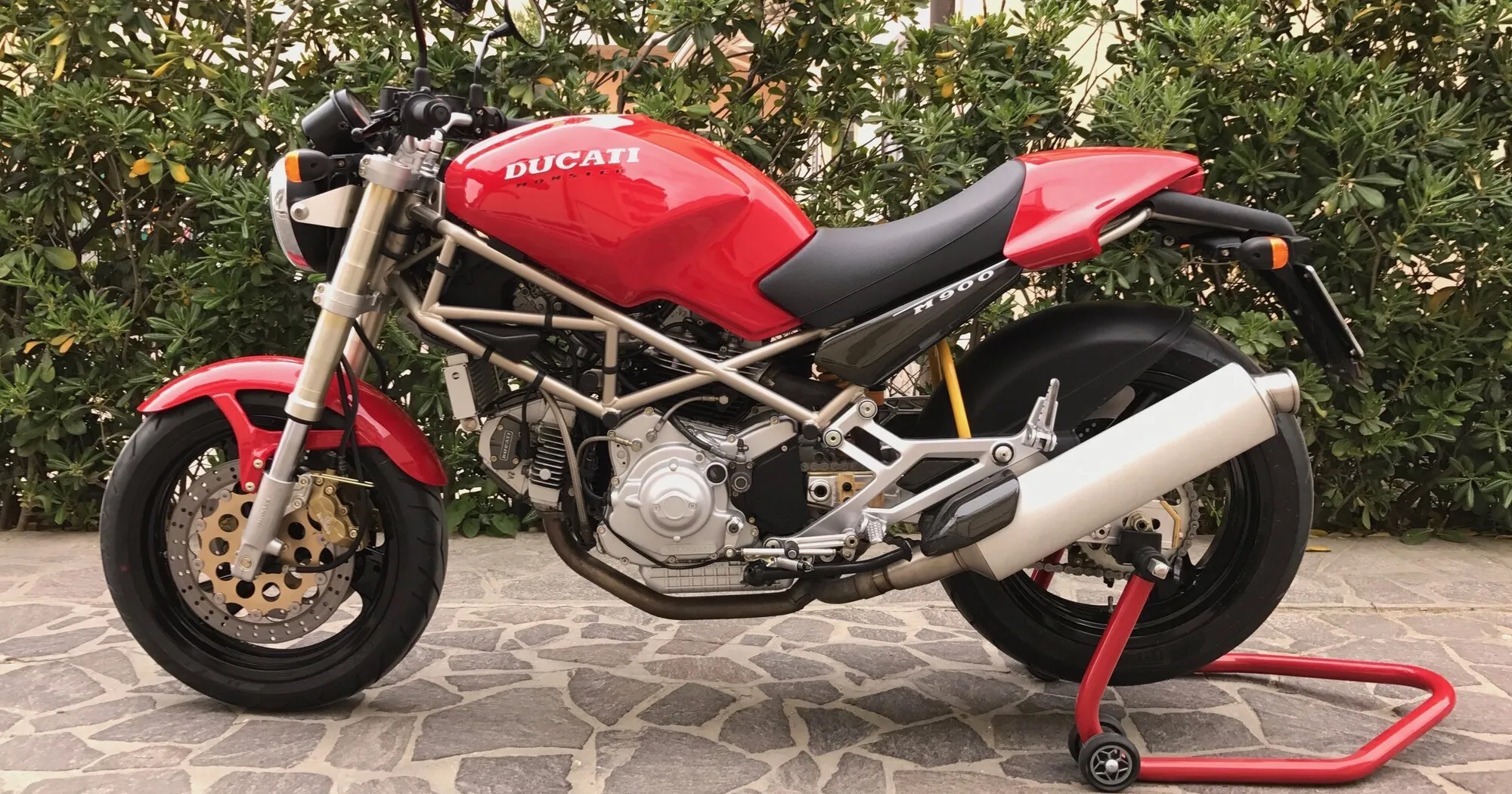
Ducati’s Monster (pictured), designed by Miguel Ángel Galluzzi, was unveiled at the end of 1992 and went on sale in 1993. The recipe was famously simple: an air-cooled 900 cc V-twin from the SS, a trellis frame related to the superbikes, a muscular tank, a round headlight, and very little else.
It was built mostly from existing parts, which kept it affordable. It became one of Ducati’s best-selling model lines and arguably saved the company in the 1990s. More importantly, it made “naked” desirable instead of sensible.
The 1990s and 2000s: nakeds go mainstream
Others followed quickly:
- Triumph Speed Triple (1994). An 885 cc triple, later with the twin round headlights that became its trademark. Triumph had built a factory streetfighter.
- Honda Hornet 600 (1998 in Europe). A sportbike four in a light, unfaired chassis, and a best-seller.
- Kawasaki Z1000 (2003) and the angular Z family that followed.
- Yamaha MT-09 (2013) and MT-07 (2014). Characterful three- and two-cylinder engines at sharp prices. They put a whole new generation on nakeds.
Hyper-nakeds: no fairing, no limits
From the 2010s the power race moved to naked bikes too. KTM’s 1290 Super Duke R arrived in 2014 with around 180 hp and the nickname “The Beast”. For 2027, BMW’s M 1000 RS and Ducati’s Streetfighter V4 SP push past 210 hp: superbike engines with wide bars and electronics doing the heavy lifting.
Full circle: neo-retro
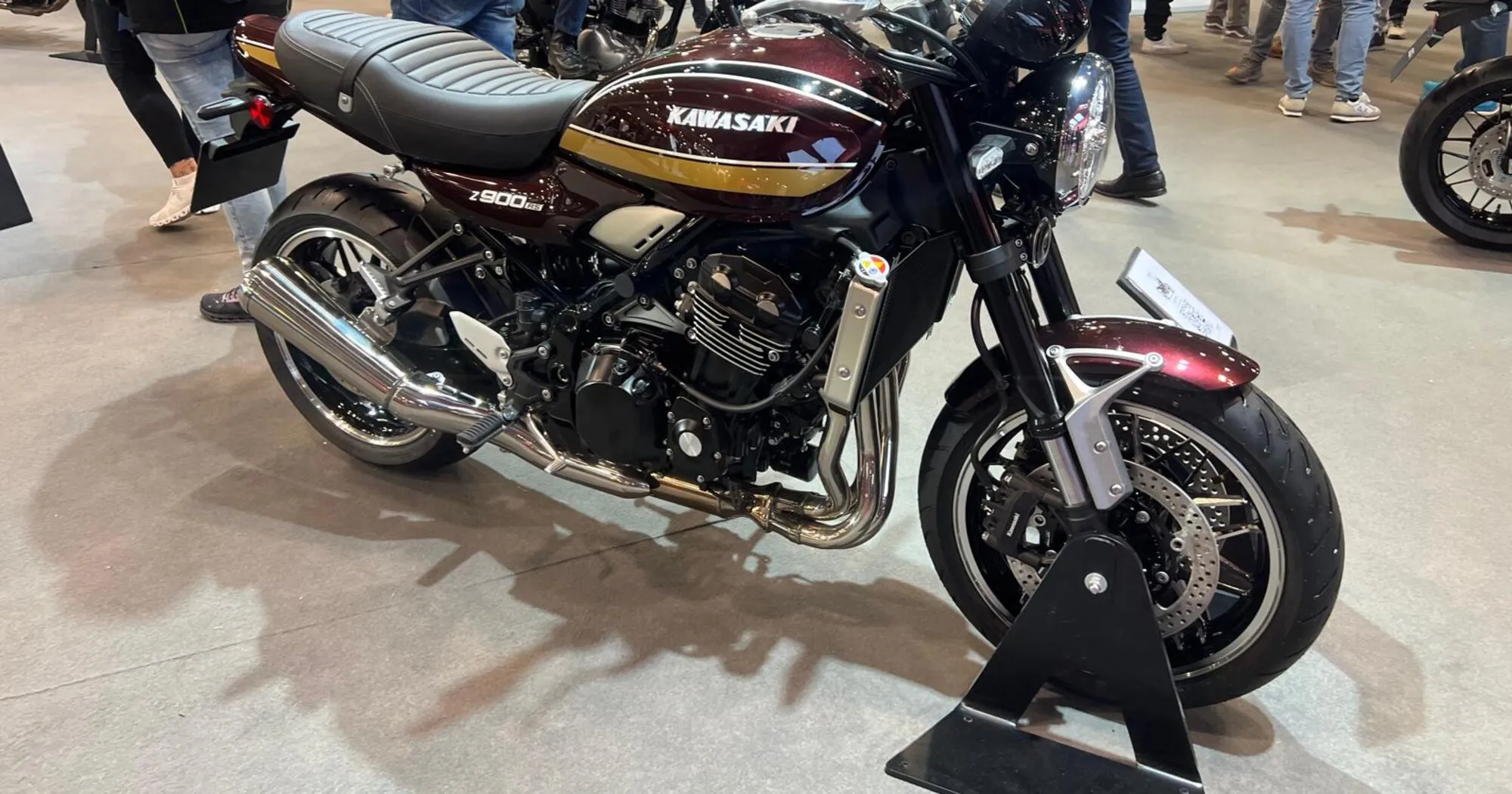
At the same time, nakeds went back to their roots. BMW’s R nineT, launched in 2013 for the brand’s 90th anniversary, showed that a modern bike could look classic and still sell. Ducati’s Scrambler (2015) and Yamaha’s XSR family followed. In 2017 Kawasaki unveiled the Z900RS, a direct homage to the Z1. In 2026 Honda’s CB1000F brought the shape of the early-1980s CB900F back to showrooms.
These bikes look like the 1970s but ride like today: fuel injection, ABS, traction control, reliability.
Why it lasts
Strip away the fairing and you get a bike that’s lighter, simpler and cheaper to fix after a tip-over. It’s more comfortable around town, honest about its engine, and easy to make your own. That’s been true since the CB750, and it’s why so many riders keep coming back to naked bikes.
It’s also why we built NakedRevs for this crowd: riders who wrench a bit, ride a lot, and want a proper record of what their bike has been through.
Read next: Naked bike trends 2026 · Classic motorcycles: buying one and keeping it on the road